


Salads & starters
Kapusta kiszona (Polish sauerkraut)
White cabbage naturally fermented in a salted brine, flavoured with juniper berries and caraway. Crunchy and tangy, Polish sauerkraut goes with meats, sausages and pierogi.
Ingredients
Ingredients
Saumure
Spices & seasoning
Optional extras
Nutrition facts
105 kcal per serving
- Protein
- 8.8 g
- Carbohydrates
- 7.8 g
- of which sugars
- 7.4 g
- Fat
- 2 g
- of which saturated fat
- 0.2 g
- Fiber
- 10.8 g
Ecomely’s estimate, calculated from the ingredients with the ANSES Ciqual food composition table, excluding sides and seasoning added to taste.
Instructions
- Remove the damaged outer leaves of the cabbage, cut it into quarters and take out the core. Slice it finely with a knife or a mandoline.
- Put the sliced cabbage in a large bowl and sprinkle it with salt. Knead it firmly with your hands for 5 to 10 minutes, until it releases its juice.
- Add the caraway seeds, the lightly crushed juniper berries and the bay leaves, then mix well.
- Pack the cabbage into a very clean jar or stoneware crock, pressing down to push out the air. The juice should cover the surface; if not, add a little salted water.
- Place a clean plate or weight on the cabbage, cover with a tea towel and let it ferment at room temperature, between 18 and 22 °C, for 3 to 4 weeks.
- Taste it regularly from the third week on. As soon as it's tangy enough for you, store it in the fridge, where it keeps for several months.
Variations and tips
Sweet-tangy version. Add a grated apple when you salt the cabbage to soften the sharpness.
Using what's available here. Raw sauerkraut sold in jars, unpasteurised, in organic shops can help out; rinse it lightly before cooking.
More ideas
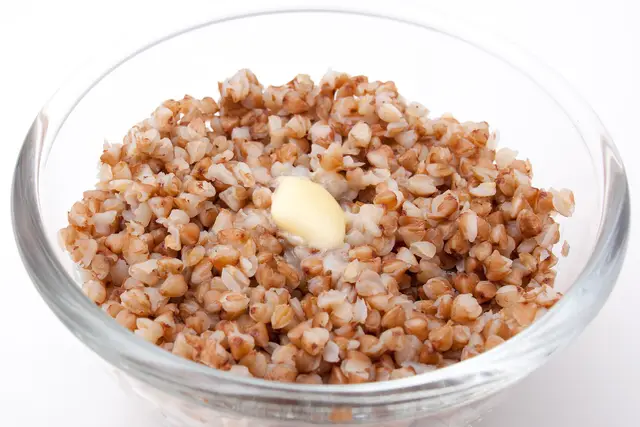
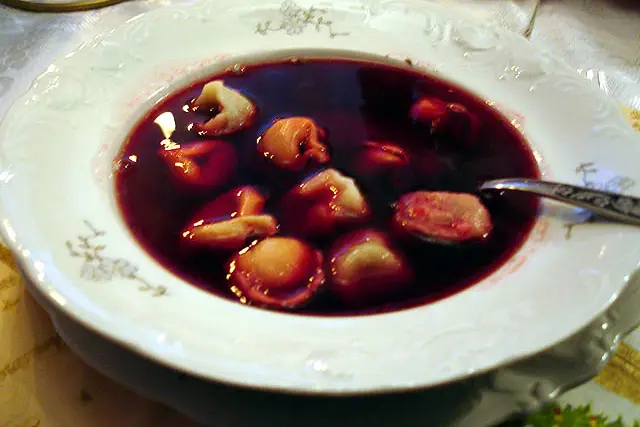
Malossol (Polish pickled cucumbers)15 min · 4 serv. · budget-friendlyĆwikła (beetroot with horseradish)1 h 15 · 4 serv. · budget-friendlyGzik15 min · 4 serv. · budget-friendlyBigos (bigos)3 h · 4 serv.Zapiekanka (mushroom and cheese toasted bread)30 min · 4 serv. · budget-friendlyKasza (toasted buckwheat)25 min · 4 serv. · budget-friendlyPączki (Polish doughnuts)1 h 45 · 8 serv. · budget-friendlyUszka (little ears)1 h 15 · 4 serv.
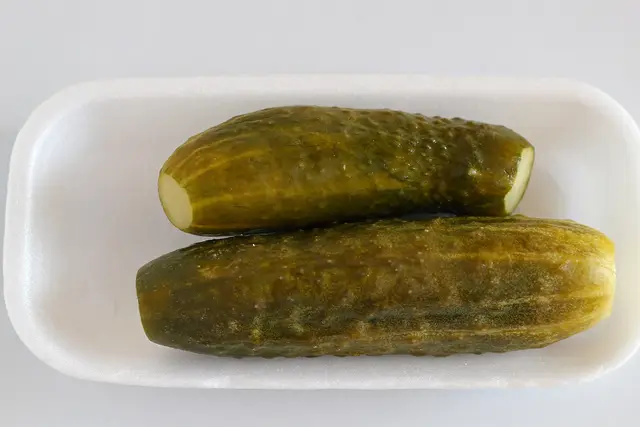 Poland
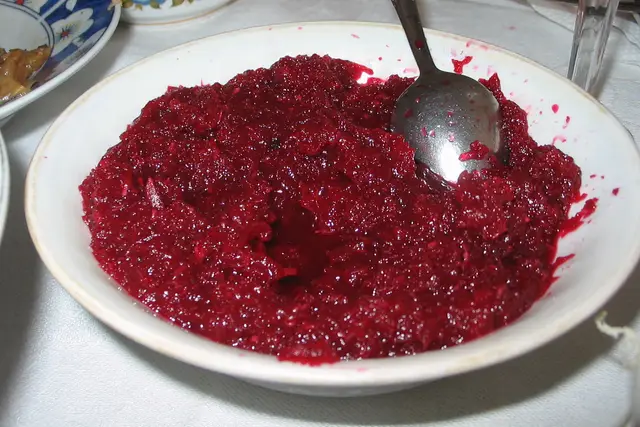 Poland
 Poland
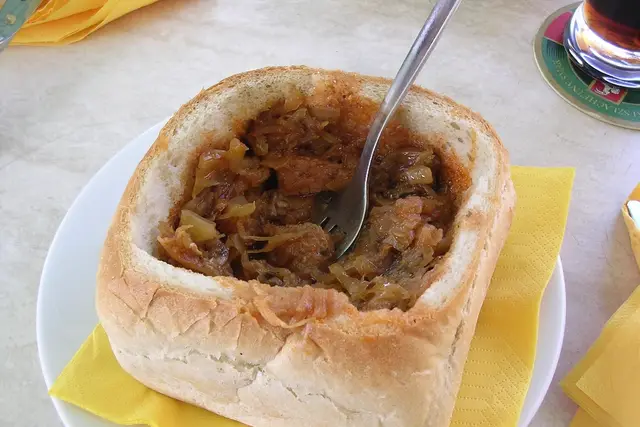 Poland
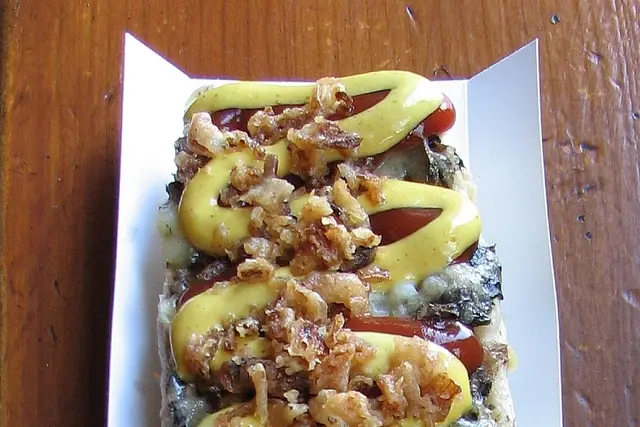 Poland
 Poland
 Poland
 Poland
 Original Ecomely recipe.